Posts

The Chola Kingdom

Image
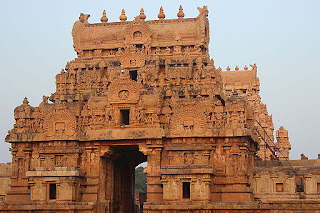
     India has always been the land of great Empires, diverse cultures and different civilizations. The Mauryan, Gupta and the Mughal Empires have always been the most deeply studied civilizations but many other great ones have not seen as much limelight. The Cholas are one of them. Origin The tripartite struggle between the the kingdoms of Pala, Rashtrakuta and Pratihara for the capital city of Kanuj lead to regional instability. In a similar manner around the same time, the Pallavas, Pandyas and the Cholas also fought for the assertion of dominance in southern India. In this battle the Cholas emerged victorious. The Cholas came into existence in about 300-600 BCE along the Kaveri River Delta. From the beginning the Cholas were dependent on the sea for wealth. In their infancy they were merely a vassal kingdom in servitude of the Pallavas. The Pallavas due to prolonged conflicts with the Pandyas were left significantly weaker in the coming years. Taking advantage of ...
Sangam Period

Image
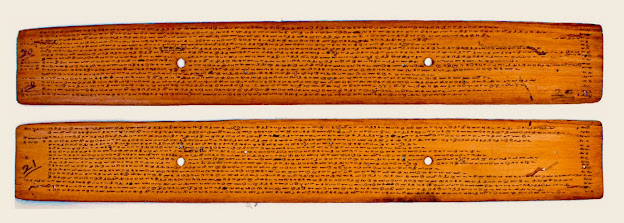
 Sangam Period               The Sangam Period is Roughly time Period Between 3rd Century BCE and 3rd Century AD. While the Northern Part of India was Flourishing under the MAURYAN Empire, the Southern part of the subcontinent was equally Growing under the Rule of CHERA , PANDYA and CHOLA Empires during the Sangam Period. The Sangam Period has been named after the Sangam academies held during that period that flourished under the royal patronage of the Pandya kings of Madurai. These literary works are one of the earliest specimens of Tamil literature. Palm Leaf Tamil Manuscript of Sangam Era According to folklore and the Sangam Literature available there were three Sangams (Academy of Tamil poets) held in the ancient South India popularly called Muchchangam. The First Sangam, is believed to be held at Madurai, attended by gods and legendary sages. No literary work of this Sangam is available . The first Sangam has roots in the Hindu deity Shiva , ...

The Kushan Empire

Image
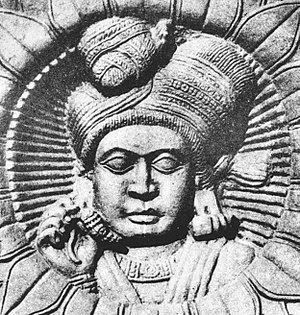
  The period which began about 200 BC did not witness a large empire like that of the Mauryas, but it is notable for intimate and widespread contacts between Central Asia and India. In eastern India, the Central India and the Deccan the Mauryas were succeeded by a number of native rulers such as the Sungas, Kanvas and the Satavahans. In the North-western India they were succeeded by a number of ruling dynasties from Central Asia. A series starts with the Greek. The first to invade India were the Greeks who are called the Indo-Greek, about which we already read in our previous blog. The Greeks were followed by the Sakas and the Parthians. The Saka dynasty was a group of nomadic Iranian people. They inhabited the Northern and Eastern European regions. Parthians Empire was also known as Arsacid Empire. It was a major Iranian political power in ancient Iran . The Parthians were followed by the Kushans who are also called as Yuechis or Tocharians. The Kushans were most probably one ...

The Indo-Greek Kingdom

Image
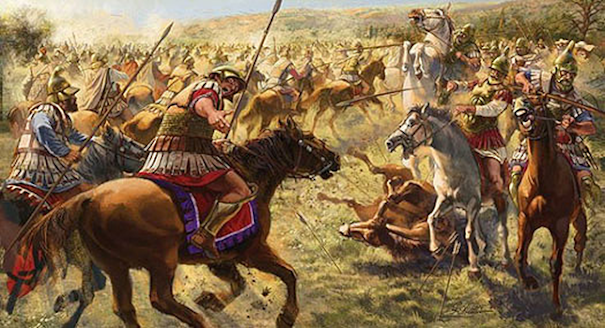
                                                                                                                                                      www.historyfiles.co.uk The Indian Subcontinent has always been an eventful place. From being one of the cradles of civilization to the cultural powerhouse it is today, The Indian Subcontinent has always had a special tooth in the pages of history. Previously in Meta Blogs, we covered the Mauryan Era. The Indo-Greek rule cannot be pieced together without mentioning its dawn form the Mauryan times. This story starts from Alexander The Great and his great conquest. The ...

Post Mauryan Period : Shunga Dynasty

Image
  The Shunga Empire was an ancient Indian dynasty from Magadha that controlled areas of the central and eastern Indian subcontinent from around 184 to 75 BCE. The founder of the dynasty, Pushyamitra Shunga, overthrew the Mauryas; either in 187 B.C. or 184 B.C. After him there were nine other rulers. Among them, Agnimitra, Vasumitra, Bhagvata and Devabhumi were the prominent ones. The names of the first two were associated with some events in political history, whereas the latter two were known for their long rule.  H. C. Raychaudhuri theorized that the name "Shunga" is derived from the Sanskrit word for the fig tree.                                                    Pushyamitra Shunga(185–149 BCE) According to many historians Pushyamitra Sunga was Brahmin army chief of Brihadratha, the last king of the Mauryas. During a military parade, he ...